
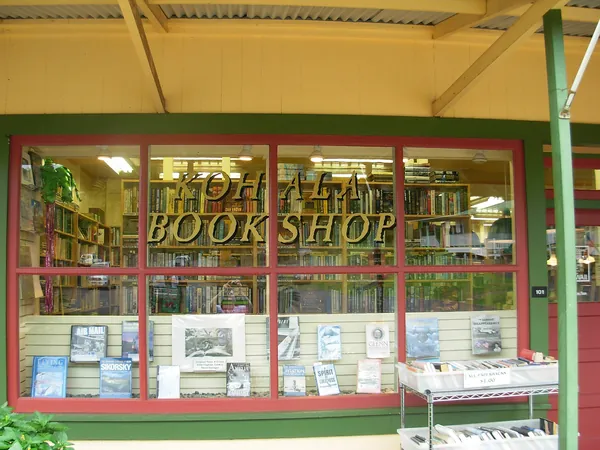
The independent bookshop has been declared dead three times by people with good reasons, and it is still open. The usual explanation is that people love bookshops, but people loved them just as much during each stretch when shops were closing everywhere.
01The superstore
In the early nineties the threat was size. Borders and Barnes & Noble in America, and Waterstones and Dillons in Britain, opened huge shops with deep stock, armchairs, coffee and front table discounts an independent couldn’t match. In Britain the end of the Net Book Agreement in 1995 removed the price floor on bestsellers, and a discount war started right away.
A lot of shops closed. What people forget is that the superstores were honestly better bookshops than much of what they replaced. The independents that made it through mostly stopped competing where the chains were strongest, which meant they stopped trying to stock everything.
02The website

Then the superstores died instead. Borders liquidated in 2011, several hundred shops gone in a few months. The lesson at the time was that online retail had won. Looking back, the big box store was the model most exposed to online selling, because its whole pitch was breadth of stock, and a warehouse will always have more breadth than a building with rent.
The small shop that learned to compete on choice instead of inventory ended up in a better spot than the chain that nearly killed it.
Barnes & Noble’s own recovery after it was bought in 2019 and put under James Daunt points the same way. The main change was letting branch managers pick their own stock instead of following a national plan, which is the chain choosing to act more like a street of independents.
03The ebook
Around 2010 the ebook was supposed to finish the job, and for a few years the growth curve made that look certain. Then it flattened. Ebooks settled into a steady share, heavy in genre fiction, which is where a cheap and instant format makes sense if you read four thrillers a month. Amazon itself opened physical bookshops in 2015 and closed all of them in 2022.
04What the survivors did
- They stopped trying to hold the whole catalog. Four thousand chosen titles and next day ordering beats twelve thousand titles chosen by nobody.
- They sold things with better margins than books. Cards, bags, stationery, coffee and ticketed events pay for the shelves.
- They became venues. An events calendar gives people a reason to show up on a certain night, which a website can’t offer.
- They stopped fighting over the new hardbacks. The backlist, small presses, translations and local history are where a bookseller’s taste is worth paying for.

05How to help the one near you
If you want a local shop to stick around, the most useful thing is to buy new releases there instead of online, especially preorders, since early sales are what publishers watch. Going to events counts too, because a full room tells authors and publishers the shop is worth sending people to. And if the shop doesn’t have a book, ask them to order it. They almost always can, and it usually takes about as long as shipping.
06What is still fragile
None of this makes the trade safe. The real pressures now are rent, a wage bill that competes with easier jobs, and stock priced by somebody else. Bookshop.org, which started in 2020 to send online orders back through independents, helps at the edges, but it doesn’t change the math on a lease.
The shops that lasted did it by being less like a warehouse. The ones that failed were usually trying hardest to be a slightly worse version of whatever was about to replace them.
Duncan McAdams runs Book Magazine. Corrections and pitches go through the contact page, and corrections get read first.

The Saturday Letter