20 November 2026
When Books Become Movies and Why the Book Wins
Hollywood has been buying novels since the silent era. Here is how the deal works, why the book usually comes off better, and what streaming changed.
20 November 2026
Hollywood has been buying novels since the silent era. Here is how the deal works, why the book usually comes off better, and what streaming changed.
20 November 2026
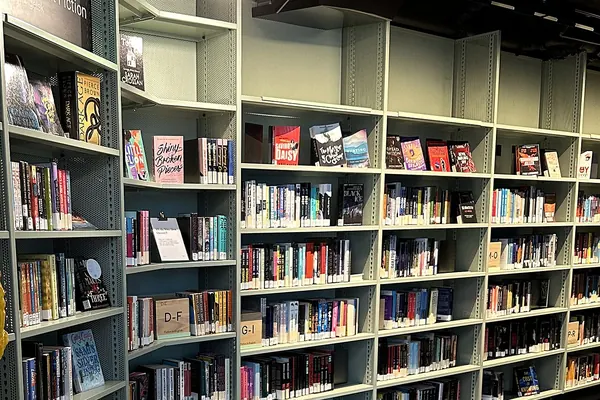
Teenagers have always read, but young adult as a shelf, a bestseller list and a business took most of a century to arrive.
20 November 2026
The excerpt is one of the oldest selling tools in publishing. Magazines paid for them, newspapers ran them, and now every online store hands you the opening for free.
20 November 2026
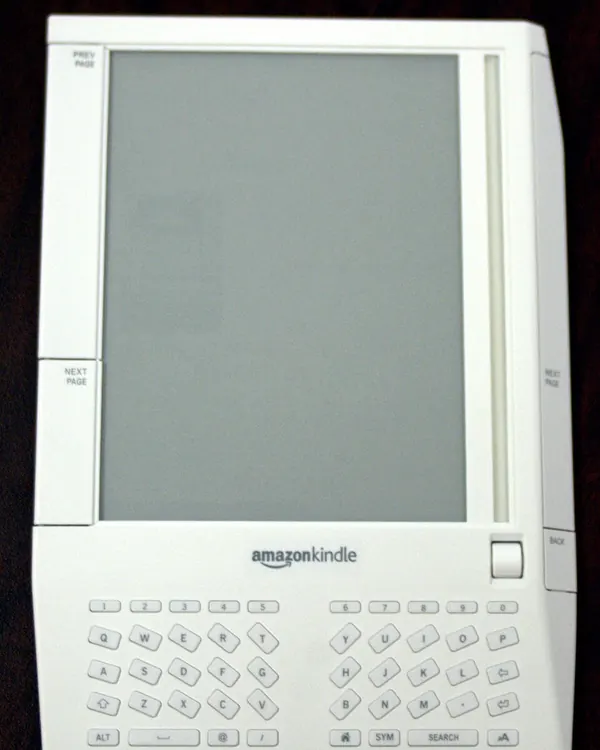
In 2000 and again in 2010 the ebook was supposed to finish off print. It found a real place instead, and it is a smaller one than anybody predicted.
9 October 2026
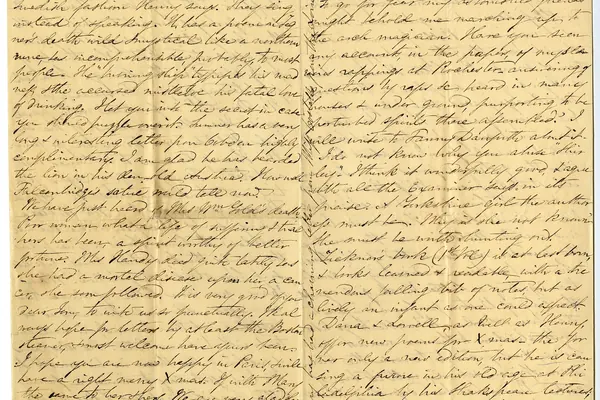
Reading a writer's life to explain their books rarely works. Biography is still worth reading, but for a different reason than the jacket copy gives.
9 October 2026
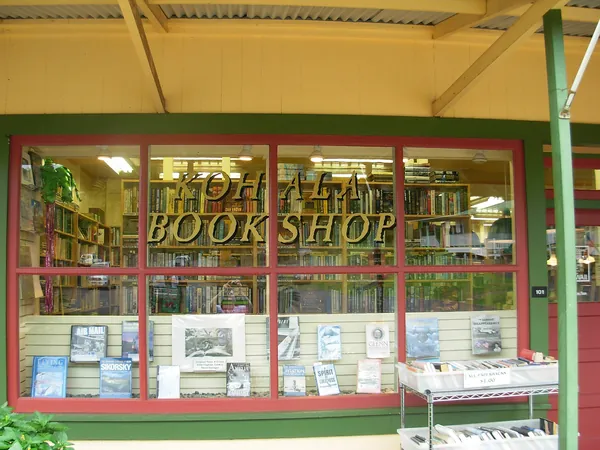
Superstores, online retail and the ebook were each going to finish off the independent bookshop. Here is what the shops that lasted actually did.
9 October 2026
The release of Goblet of Fire on 8 July 2000 proved the embargo, the midnight opening and the giant first printing worked, and publishing has used them ever since.
20 September 2026
The short story is the only literary form with a founding rulebook. Here is how it went from paying the rent to living in writing programs.