Why the Ebook Didn't Replace the Book
In 2000 and again in 2010 the ebook was supposed to finish off print. It found a real place instead, and it is a smaller one than anybody predicted.

In March 2000 Stephen King put out a novella called Riding the Bullet as a download only, and so many people tried to get it at once that the servers struggled. For a few weeks it looked like the start of something. Then the early ebook readers, devices like the Rocket eBook, mostly disappeared, and the idea went quiet for most of a decade.
The second wave was real. Sony released its Reader in 2006, and Amazon launched the Kindle in November 2007 with a store attached and wireless downloads. Barnes & Noble followed with the Nook in 2009, and the iPad arrived in 2010. For a few years ebook sales grew so fast that people started writing obituaries for the printed book.

01Then it leveled off
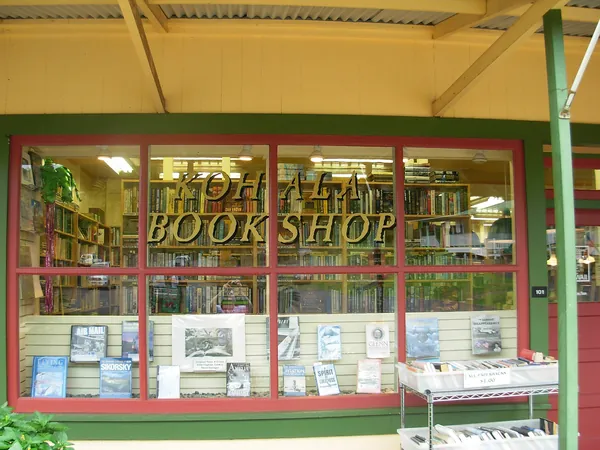
Ebook sales stopped climbing in the first half of the 2010s and settled into a steady share. Print didn’t disappear, and independent bookshops in America actually grew in number over the same stretch.
The ebook won where speed and price matter more than the object, and lost almost everywhere else.
The share is heavily weighted toward genre fiction, especially romance, thrillers and mysteries. That makes sense. If you read four or five books a month and don’t plan to keep them, a cheap download at midnight beats a trip to the store. If you want to give a book as a gift, lend it to a friend, or put it on a shelf, a file doesn’t do any of that.
Audiobooks are the other reason the ebook leveled off. A lot of readers who wanted something besides paper went to listening instead, on commutes and at the gym, and audiobooks grew for years after ebooks stopped.
02What you are actually buying
Most ebook stores sell a license tied to their own app, not a file you own. A library built up in one store over ten years doesn’t move to another one. Most readers never think about it until they switch phones or a store closes, and then it matters a lot.
Libraries complicate it too. Publishers license ebooks to libraries on different terms than print, often at higher prices and for a limited time or number of loans. A library can buy a print copy once and lend it until it falls apart, but an ebook license may expire.
03Where it really did change things
- Self publishing. Selling a book through an ebook store made it possible for writers to reach readers without a publisher, and some genres are now full of them.
- The backlist. Out of print books can come back as ebooks cheaply, so older titles stay available.
- Reading with bad eyesight. Adjustable type size quietly made reading easier for a lot of people.
- Free classics. Project Gutenberg and Standard Ebooks put the public domain in anyone’s pocket.
The ebook was never going to replace the book, because people don’t only buy books to read the words. It replaced the mass market paperback for a lot of readers, and that turned out to be its real job.
Duncan McAdams runs Book Magazine. Corrections and pitches go through the contact page, and corrections get read first.


The Saturday Letter