How to Start Reading Poetry as an Adult
A lot of grown readers gave up on poetry in school and never went back. Getting into it later is mostly a matter of finding the right first poems and reading them out loud.

Most adults who say they don’t read poetry stopped in high school, usually after being asked what a poem meant before they had a chance to like it. That is a hard way to meet any art form. Nobody learns to enjoy music by being quizzed on it.
Coming back to poetry as a grown reader is easier than it looks. Poems are short, a lot of the best ones are free to read online, and nobody is checking whether you finish a book of them. You can skip the ones that do nothing for you and keep going.
01Start with an anthology
A single poet’s collected poems is a big commitment for a beginner. An anthology lets you sample dozens of voices in an evening and notice which ones you keep coming back to. When a name sticks, look for that poet’s own books next.
Billy Collins built a version of this for schools while he was Poet Laureate. His Poetry 180 project at the Library of Congress picked one poem for each of the 180 days of the school year, chosen for high school students and meant to be read aloud, ideally right after the morning announcements. The list is still online, and it works just as well for an adult who wants one poem a day.
- Poetry 180. One poem a day from the Library of Congress, each one short enough to read in a minute or two.
- Poem-a-Day. The Academy of American Poets sends out a poem every day. It started in 2006 as an April project and now runs all year.
- The Poetry Foundation site. Its database holds more than 40,000 poems and more than 4,000 poet biographies.
- Your library. The poetry shelf is usually small and quiet. Borrow ten books and keep reading the one you like.
02Read it out loud
Poetry was meant to be heard long before it was printed, and a lot of poems that look hard on the page make sense the moment you say them. Read slowly, pause where the line ends, and don’t worry about understanding every line the first time through. The sound comes first. The meaning often shows up on the second or third read.
A poem that looks hard on the page often makes sense the moment you say it out loud.
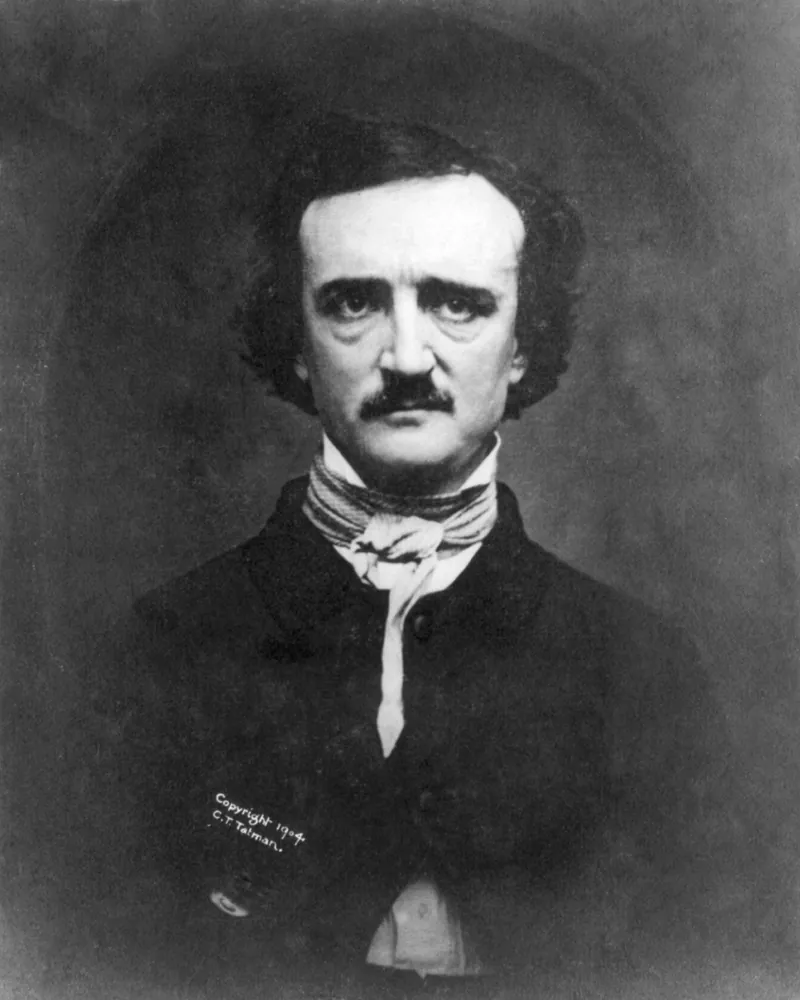
Edgar Allan Poe is the classic poet to read aloud, and “The Raven,” first published in 1845, still works best spoken in a dark room. For anyone who wants to laugh, Shel Silverstein and Where the Sidewalk Ends are a fine way back in, and not only for kids.
03Follow the poets laureate
The United States has had an official poet since 1937, when the Library of Congress created the post of Consultant in Poetry. Congress changed the title to Poet Laureate Consultant in Poetry in 1985. The Librarian of Congress picks each one, usually for a two year term, and the job is mostly about getting more people to read and write poems.
The list of past laureates makes a good reading list on its own. Gwendolyn Brooks held the post in 1985 and 1986, long after her book Annie Allen made her the first African American to win a Pulitzer Prize, in 1950. She was also Poet Laureate of Illinois from 1968 until her death in 2000, so look up your own state’s laureate too. Ada Limón served from 2022 to 2025, and Arthur Sze took over in 2025 as the first Asian American in the role.
04Poetry in translation and where to go next
Some of the oldest stories we have are poems, and good translations make them easy to read now. Seamus Heaney’s Beowulf came out in 1999 and won the Whitbread Book of the Year. Emily Wilson’s Odyssey in 2017 was widely reported as the first English translation of the poem by a woman, and her Iliad followed in 2023. Bilingual editions, with the original on one page and the English across from it, let you hear how a poem sounds even in a language you can’t read.
Two organizations do most of the free work of keeping poems in front of readers. The Academy of American Poets, founded in New York in 1934, runs poets.org and started National Poetry Month in April 1996. The Poetry Foundation in Chicago, set up in 2003 after a bequest from Ruth Lilly that grew to about $200 million, publishes Poetry, the magazine Harriet Monroe founded in 1912. Between the two you could read a new poem every day for years without buying a book.
You will probably dislike more poems than you like, and that is normal. Keep a list of the ones that stayed with you. That list is the start of your own anthology, and it will tell you where to go next better than any syllabus.
A wrong name, title or year in How to Start Reading Poetry as an Adult can be reported through the contact page, where corrections get read first.
Sources: Wikipedia, Library of Congress and Poetry Foundation
Where the facts in How to Start Reading Poetry as an Adult come from
- United States Poet Laureate, Wikipedia
- Poetry Foundation, Wikipedia
- Academy of American Poets, Wikipedia
- National Poetry Month, Wikipedia
- Library of Congress
- Welcome to the new poetryfoundationorg, Poetry Foundation
- Beowulf: A New Verse Translation, Wikipedia
- Emily Wilson (classicist), Wikipedia
- Gwendolyn Brooks, Wikipedia
- Edgar Allan Poe National Historic Site, Wikipedia
Questions and answers
How do I start reading poetry as an adult?
Adults returning to poetry should begin with an anthology to sample many poets, then read each poem aloud slowly and pause at the line ends. Skip poems that do nothing for you and keep a list of the ones that stick.
What is Poetry 180?
Poetry 180 is a Library of Congress project Billy Collins created as Poet Laureate. It picks one poem for each of the 180 school days, chosen for high school students to hear aloud, and adults starting poetry can use it as a daily poem.
When did the United States get a Poet Laureate?
The Library of Congress created the post of Consultant in Poetry in 1937, and Congress renamed it Poet Laureate Consultant in Poetry in 1985. The Librarian of Congress chooses each laureate, typically for two years, to promote reading poetry.
Who founded Poetry magazine?
Harriet Monroe founded Poetry magazine in 1912. It is now published by the Poetry Foundation in Chicago, which was established in 2003 after Ruth Lilly's bequest grew to about $200 million, and whose website holds over 40,000 poems.


The Saturday Letter